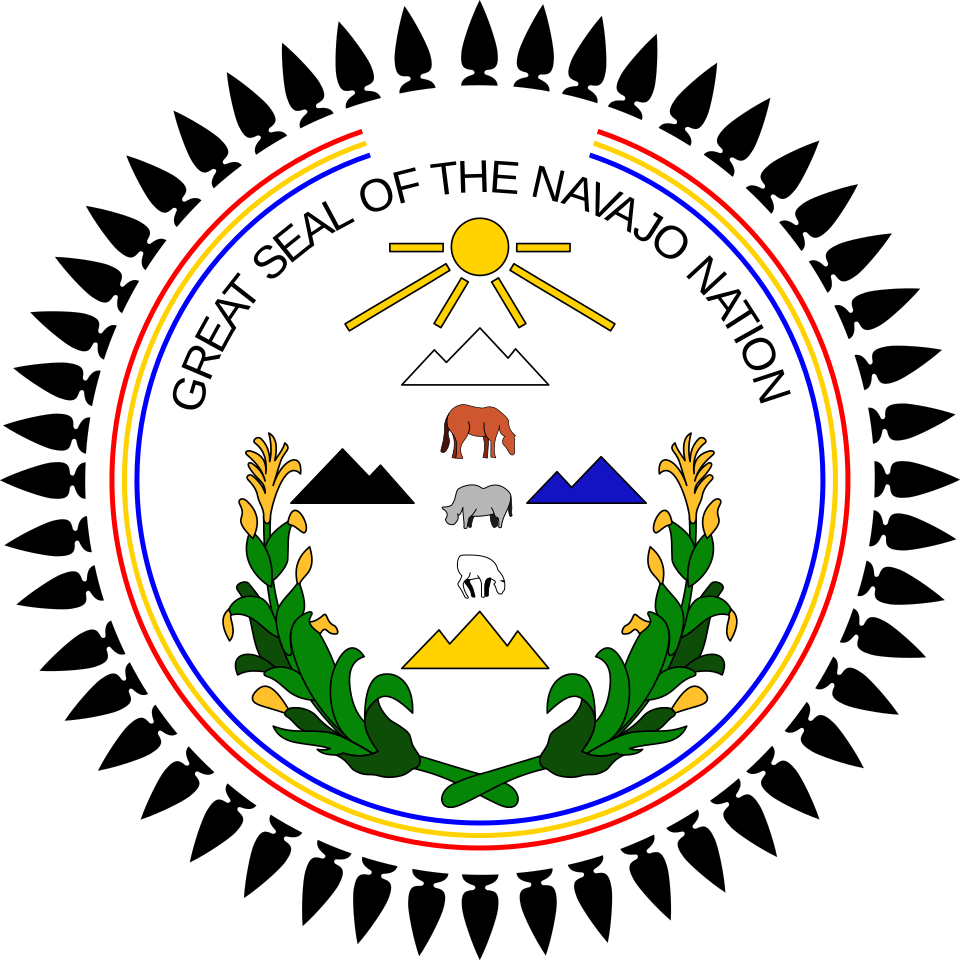
The Navajo Nation, home to the Diné people, carries a history rich with resilience, tradition, and cultural strength. Spanning across the Four Corners region—Arizona, New Mexico, Utah, and Colorado—the Navajo Nation is one of the largest Native American reservations in the United States.
Early Origins and Traditional Life
The Diné, known as the Navajo people, trace their origins back thousands of years in the American Southwest. Archaeological and oral histories reveal that the Diné have long inhabited the Four Corners region, developing a deep and sacred connection to the vast landscapes of Arizona, New Mexico, Utah, and Colorado. Their traditional way of life is intimately tied to the natural world, guided by cultural values such as hózhó—a concept embodying harmony, balance, beauty, and wellness—and k’é, which emphasizes kinship, relationships, and mutual respect.
The Diné lived in small family units that formed extensive clan networks, fostering strong social bonds and collective responsibility. Their livelihood was rooted in sustainable farming of corn, beans, and squash, complemented by sheep herding introduced centuries ago. Sheep became central to their economy and culture, providing food, wool for weaving intricate textiles, and materials for clothing. Navajo weaving developed into a highly respected art form known worldwide, with patterns and designs that carry symbolic meaning and cultural stories.
Ceremonial life played a critical role in maintaining hózhó and spiritual well-being. The Diné practiced healing ceremonies led by medicine people, incorporating prayers, songs, sand paintings, and rituals to restore balance between individuals, their community, and the natural world. These ceremonies mark significant life events such as births, marriages, and healing processes, reinforcing spiritual harmony and cultural continuity. Respect for the Earth and all living things is woven deeply into these practices, reflecting a worldview that honors interconnectedness and reverence for life.
Historical Challenges and Resilience
The history of the Navajo people is marked by remarkable resilience in the face of significant challenges. One of the most harrowing chapters is the forced relocation known as the Long Walk (1863–1868). During this period, U.S. military forces compelled thousands of Diné men, women, and children to leave their ancestral homelands and march—as many as 300 miles—to an internment site called Bosque Redondo in eastern New Mexico. The journey and subsequent conditions were brutal; many suffered from exposure, starvation, and disease.
Despite the suffering endured, the Diné spirit of perseverance prevailed. After several years at Bosque Redondo, the Navajo were allowed to return to a portion of their original homeland through Treaty of 1868 negotiations. They rebuilt their communities, reclaimed their lands, and re-established their cultural traditions with renewed determination.
Throughout historic and ongoing challenges—including assimilation pressures, loss of land, and economic hardships—the Navajo Nation has continuously demonstrated strength and resilience. The Diné people have preserved their language, ceremonies, and governance structures while adapting creatively to changing circumstances. This enduring spirit has allowed them to grow into a vibrant, sovereign nation that honors its past while embracing opportunities for the future. The Navajo people’s story is one of survival, cultural pride, and deep commitment to sustaining hózhó—a way of life centered on harmony and balance with all creation.
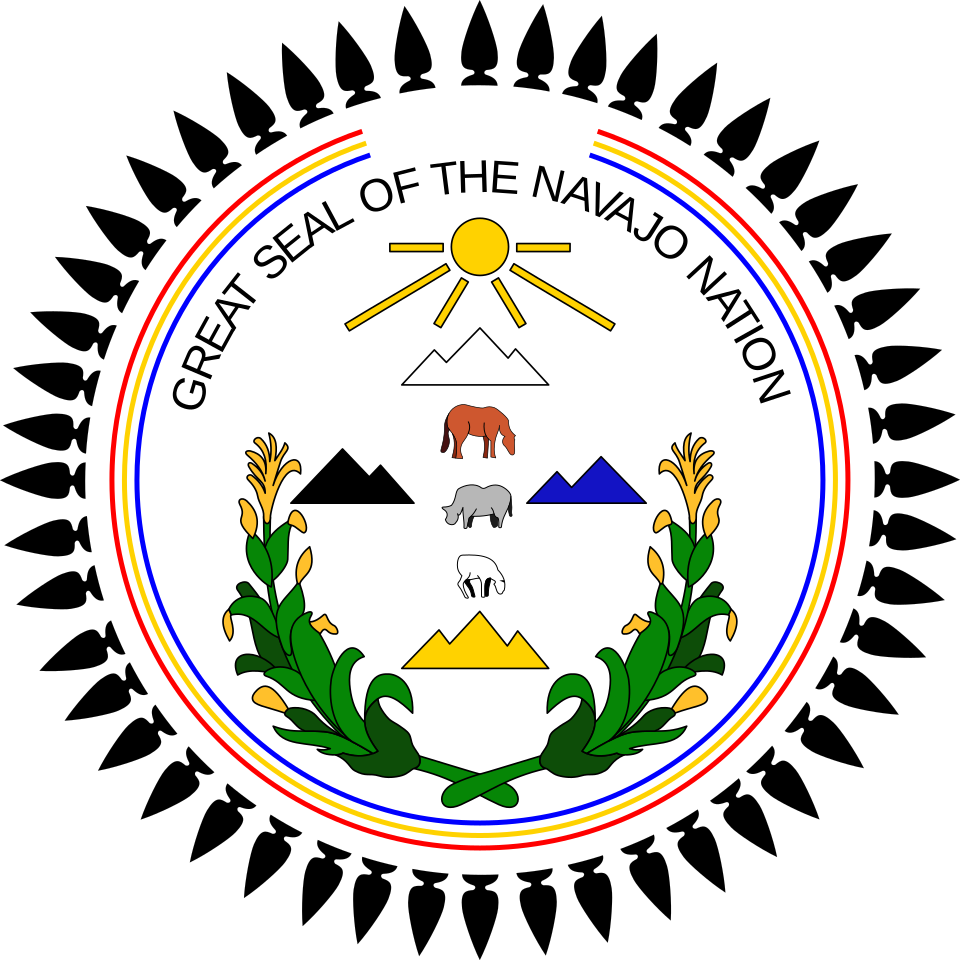
The Great Seal of the Navajo Nation, designed by John Claw Jr., was adopted in 1952 and features 50 arrowheads symbolizing the tribe’s protection within the 50 states. Inside, a yellow sun shines from the east on the four sacred mountains and two cornstalks represent the Navajo way of life. A circular rainbow signifies the Navajo Nation’s sovereignty, which is never fully closed to represent its unbroken nature.
Today, the Navajo Nation stands as a sovereign government and one of the largest Native American tribes in the United States, with a land base encompassing over 27,000 square miles across portions of Arizona, New Mexico, and Utah. The Navajo Nation operates with its own government system, including an elected President, a Tribal Council, and a judicial branch, exercising authority to govern and make decisions that reflect the interests, values, and traditions of the Diné people.
The Nation’s leadership works to preserve and revitalize Navajo language, culture, and traditions through numerous cultural programs. These include language immersion schools, cultural centers, and initiatives that teach traditional arts such as weaving, silversmithing, and ceremonial practices. By passing down this heritage to younger generations, the Navajo Nation ensures the survival and flourishing of its unique identity.
At the same time, the Navajo Nation pursues sustainable development goals to improve the quality of life for its people. Investments in infrastructure, renewable energy projects, and environmental stewardship aim to balance economic growth with respect for the land—a reflection of the Diné value of hózhó (harmony and balance). Education is a central priority with efforts to expand access to quality schooling, scholarships, and vocational training that empower Navajo youth.
Healthcare is another critical focus area. The Nation manages health services that address challenges such as diabetes, COVID-19, and other health disparities, while incorporating traditional healing practices alongside modern medicine. Holistic approaches ensure that physical, emotional, and spiritual wellness are attended to within the community.
Through its governance, cultural preservation, and social programs, the modern Navajo Nation continues to build a resilient and flourishing society that honors its rich past while forging a thriving future for generations to come. This dynamic balance of tradition and progress embodies the enduring spirit and strength of the Diné people.
Cultural Legacy and Traditions
Navajo culture remains vibrant and alive through language, art, weaving, traditional ceremonies, and values that emphasize harmony, respect, and family connection. Visitors to the Navajo Nation can experience its beauty, traditions, and deep history firsthand.
Visiting the Navajo Nation
When visiting, honor the traditions and values of the Diné by respecting sacred sites, supporting local artisans, and learning about Navajo history and culture. The Navajo Nation welcomes visitors with open arms and a rich cultural experience.